

‘One Word’: RESENTER
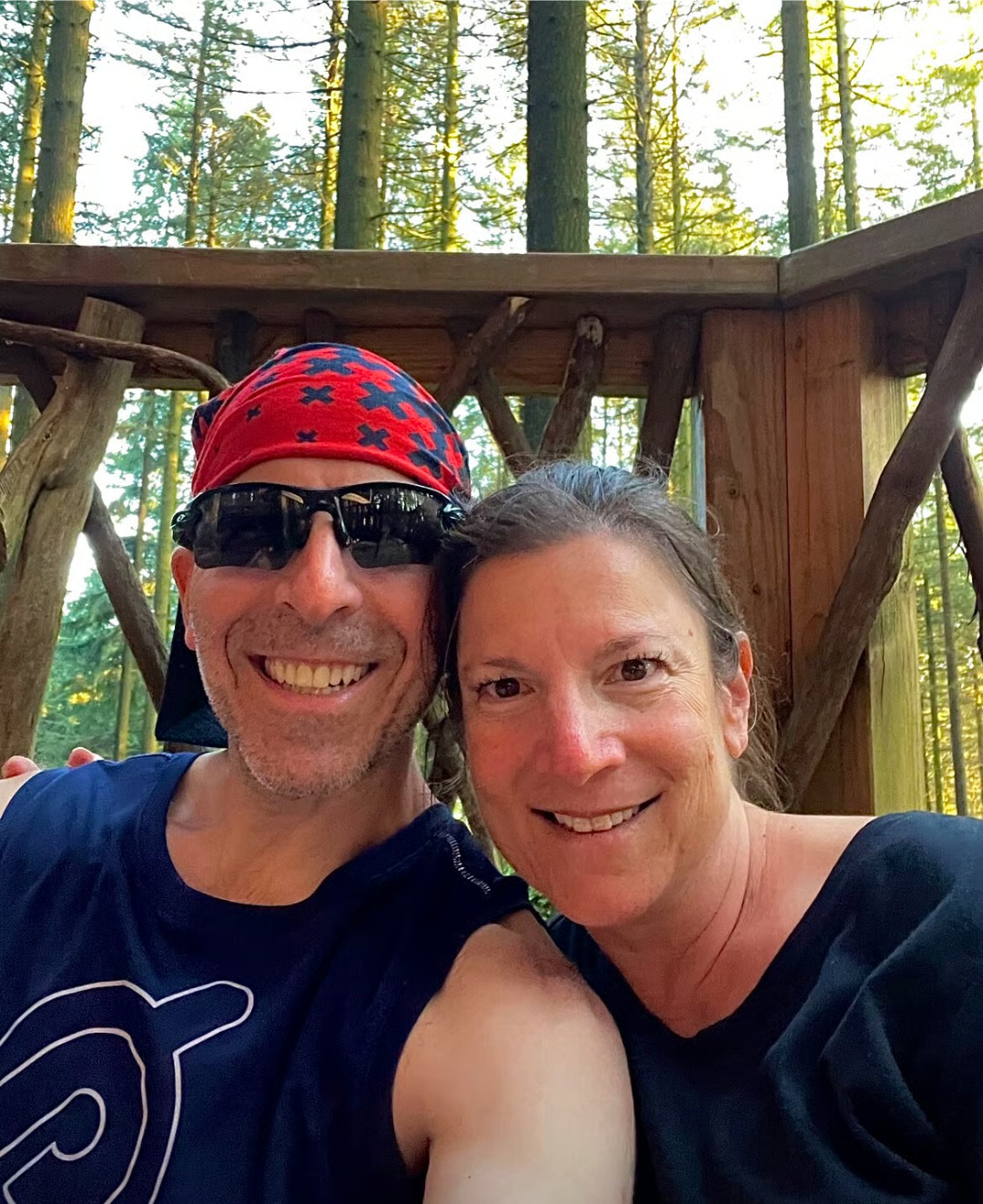
I used to call myself a people pleaser, but the truth is—I was a resenter.
My people-pleasing tendencies started young. Because my twin sister and I were never allowed to be in the same classes, I was isolated from my friends in lower/middle school.
To make matters worse, the environment at home was one of constant arguing and tension. It was like walking through a minefield. I had to make myself so small just to get through the day.
No wonder the desire to be liked and accepted drove everything I did. I was desperate to keep people happy—even at the cost of my own happiness. I never wanted to rock the boat.
Then, in the corporate world, I wanted to be a disruptor. But I feared pushing boundaries too far and losing favor—or losing my job altogether. The constant people-pleasing had consequences. I was frustrated and exhausted. My resentment grew.
Not knowing where to place these feelings, I brought them home to my loved ones. Lashing out became my primary mode of communication.
I knew my family wasn’t seeing the real me. I was too afraid to be my true self because I didn’t feel safe. When I was a kid, being my true self meant being alone.
This destructive pattern was hurting my relationship with my wife and kids. I’d bottled up my own needs and desires for so long that I was leaking resentment into everything I did.
At 50, I finally woke up. I realized I had the power to disrupt the game and challenge conventional thinking. And I could still be KIND while doing it!
Today, I’m doing a better job speaking up about my needs and wants, and it’s been LIBERATING! People-pleasing is no longer my automatic response to every situation.
There’s a reason that airlines tell you to put on your oxygen mask before helping those around you. How can you truly help anyone else when you’re barely breathing? By expressing my needs and working with others to find common ground, I can create genuine connections and still serve people in meaningful ways.
Don’t get me wrong: the tendency to people-please is still there. What can I say? I like making people happy. But now, I’m comfortable enough in my own skin to set proper boundaries for myself. By consistently incorporating the behaviors I’m learning in therapy, I keep moving forward.
If you’ve struggled with people-pleasing, know that you have the power to step into yourself. Communicate your needs openly and respectfully, listen more than you speak—and watch how the world begins to accept and appreciate you for exactly who you are.
Does people-pleasing make you resentful too?
GET BLOG BIWEEKLY
GET BLOG
BIWEEKLY
you may also like




0 Comments